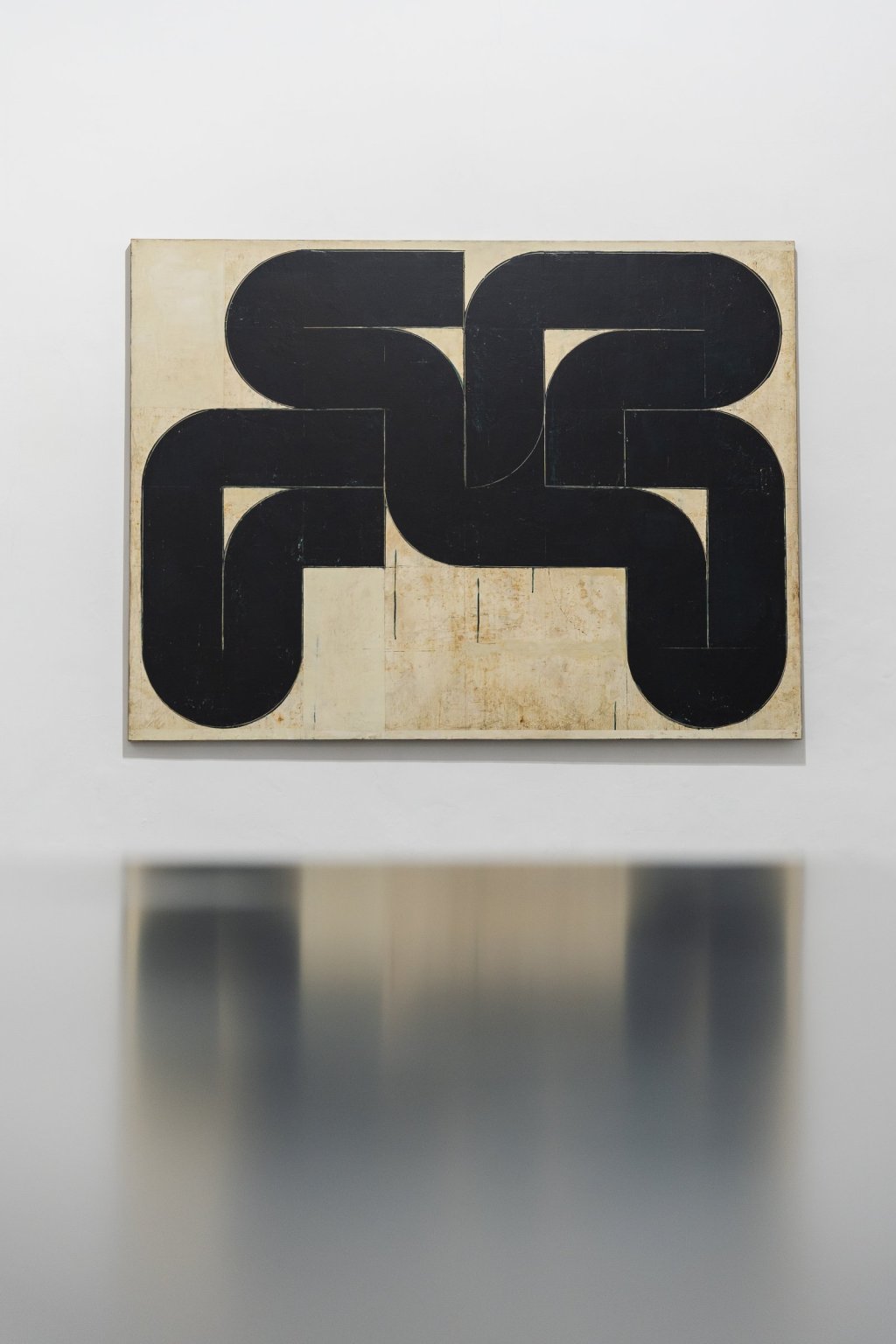
Temporary Place, 2024
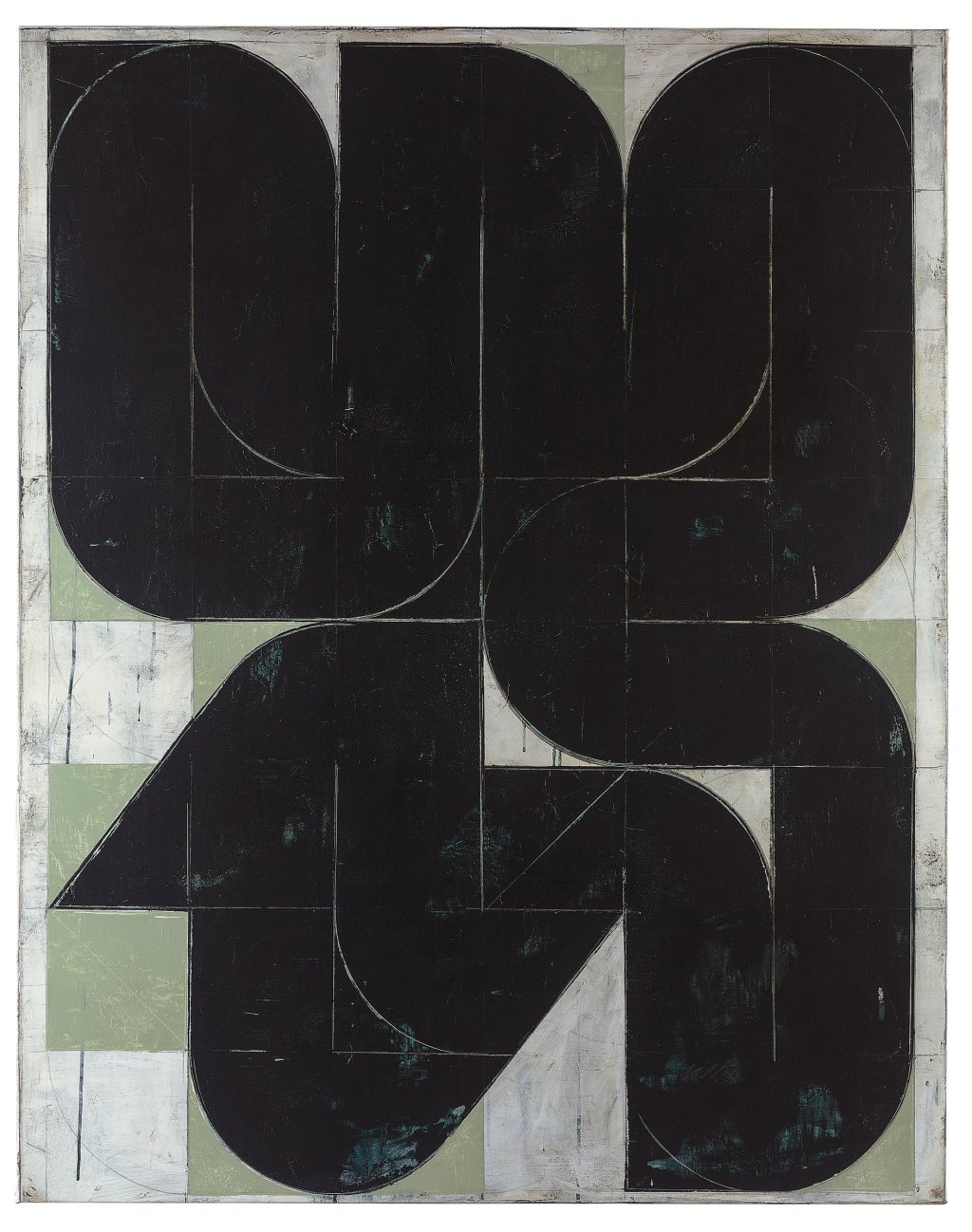
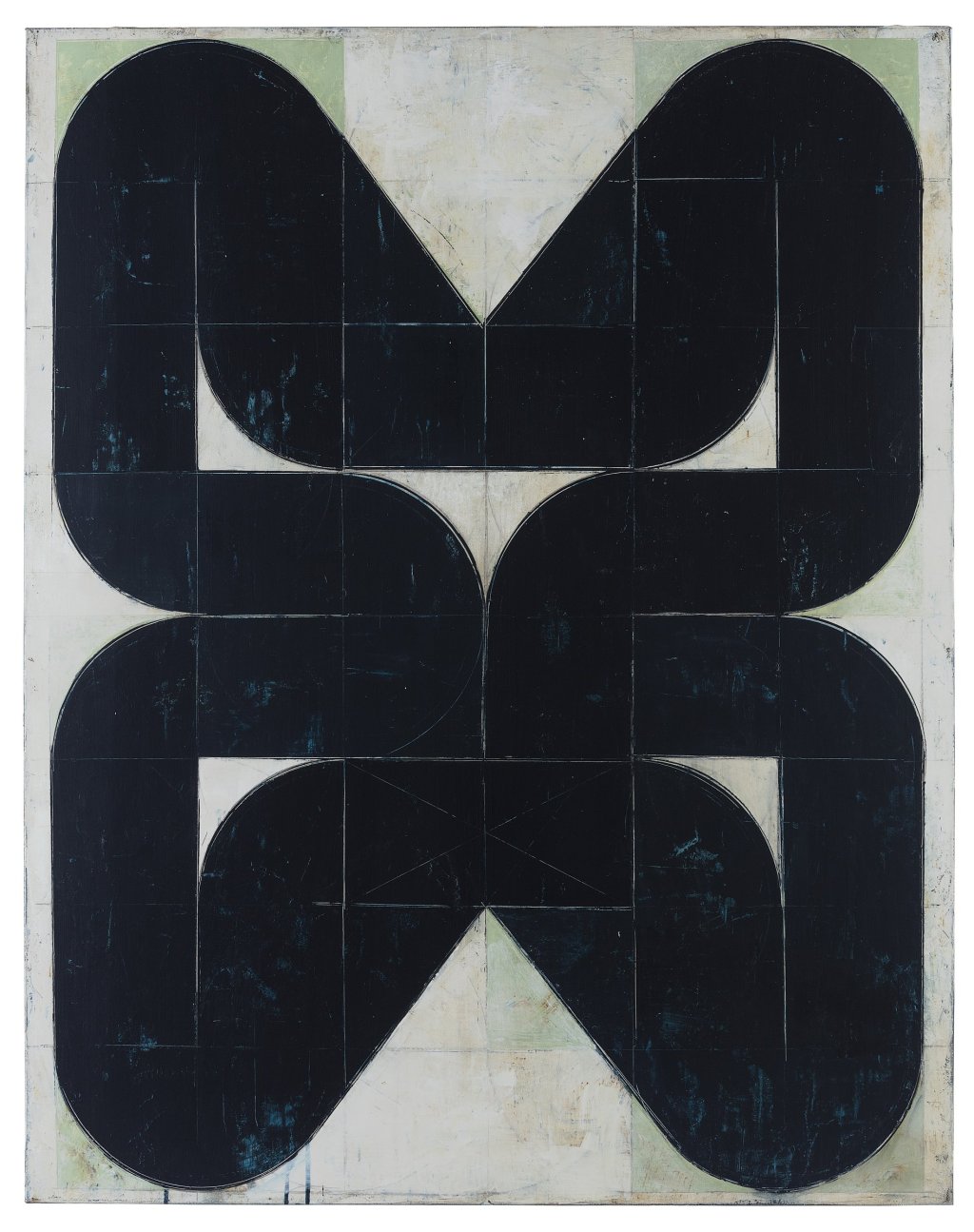
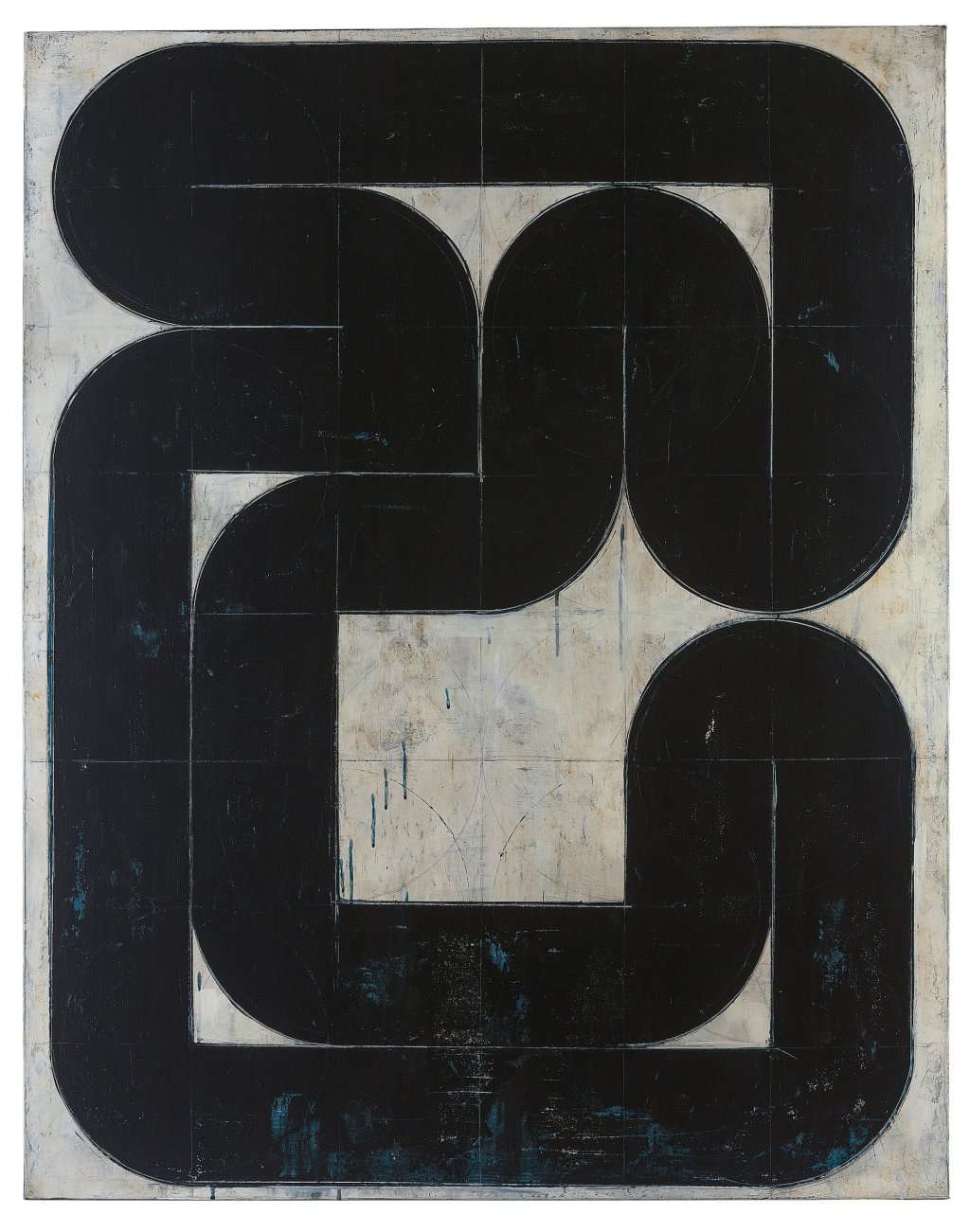
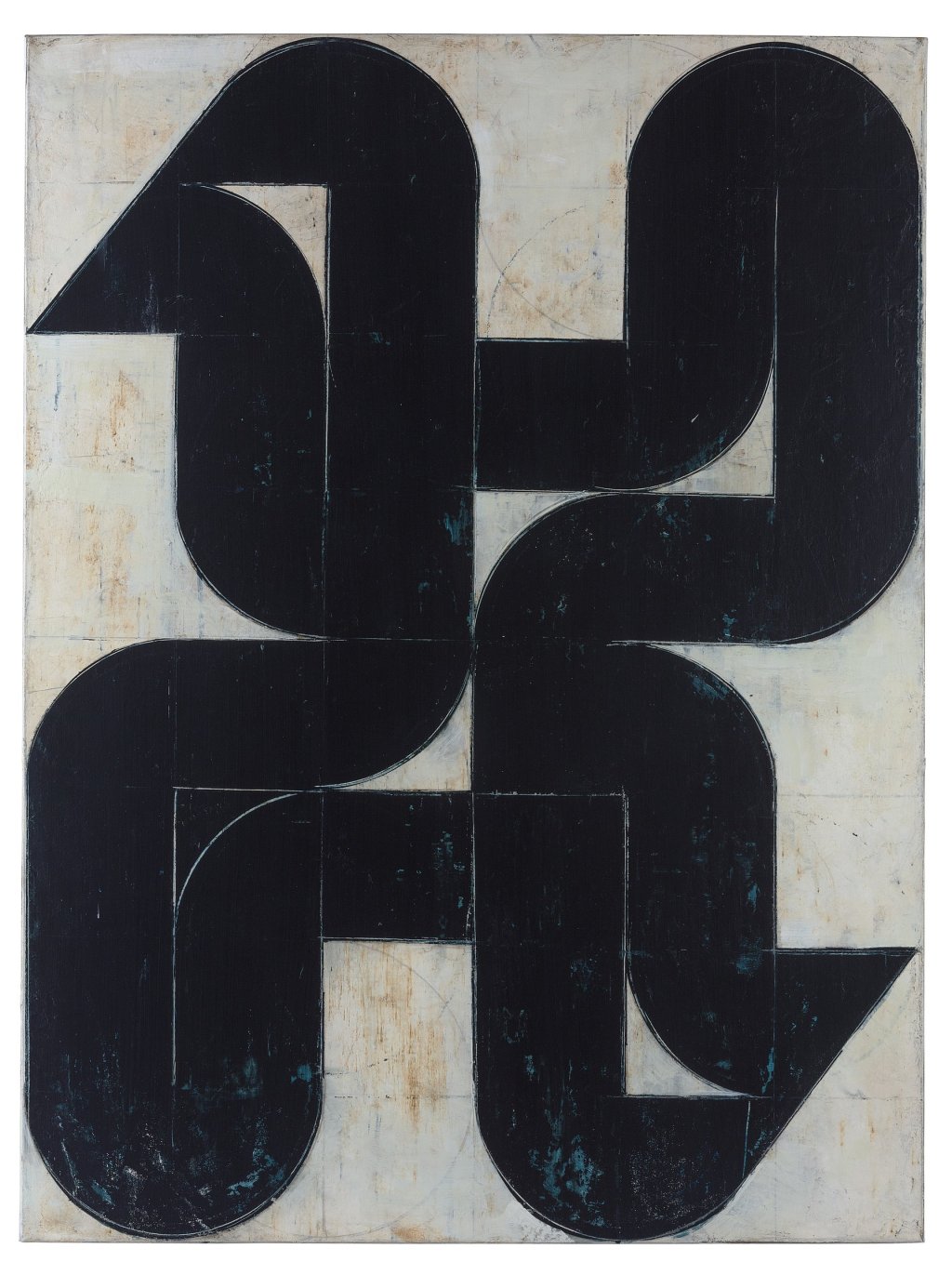
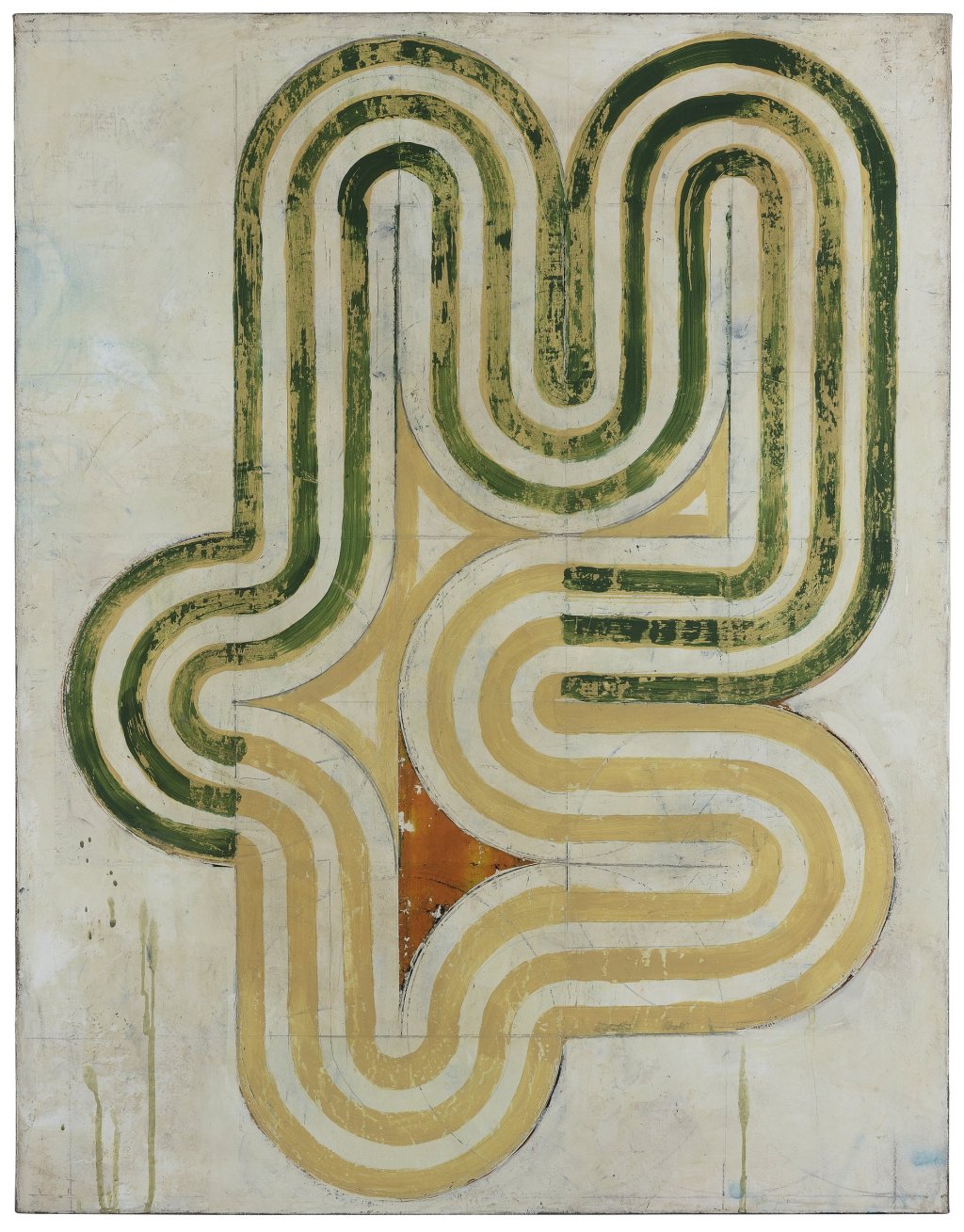
The Same River, 2026
TEMPORARY PLACE
“You cannot step into the same river twice” – Heraclitus
Since the time of ancient philosophers, it has been intuitively clear to humans that things, no matter how seemingly permanent, stable, and unchanging, are not actually so. The truth is that this topic becomes increasingly complex the more it is pondered, and the question arises: can we truly grasp the essence of the constant variability and temporariness of all that exists? Undoubtedly, there is a certain harmony that manifests even in extreme opposites. The interconnectedness of everything that exists on this or that level is noticeable, prompting us to question whether there is some universal rule, a law by which everything was created and exists.
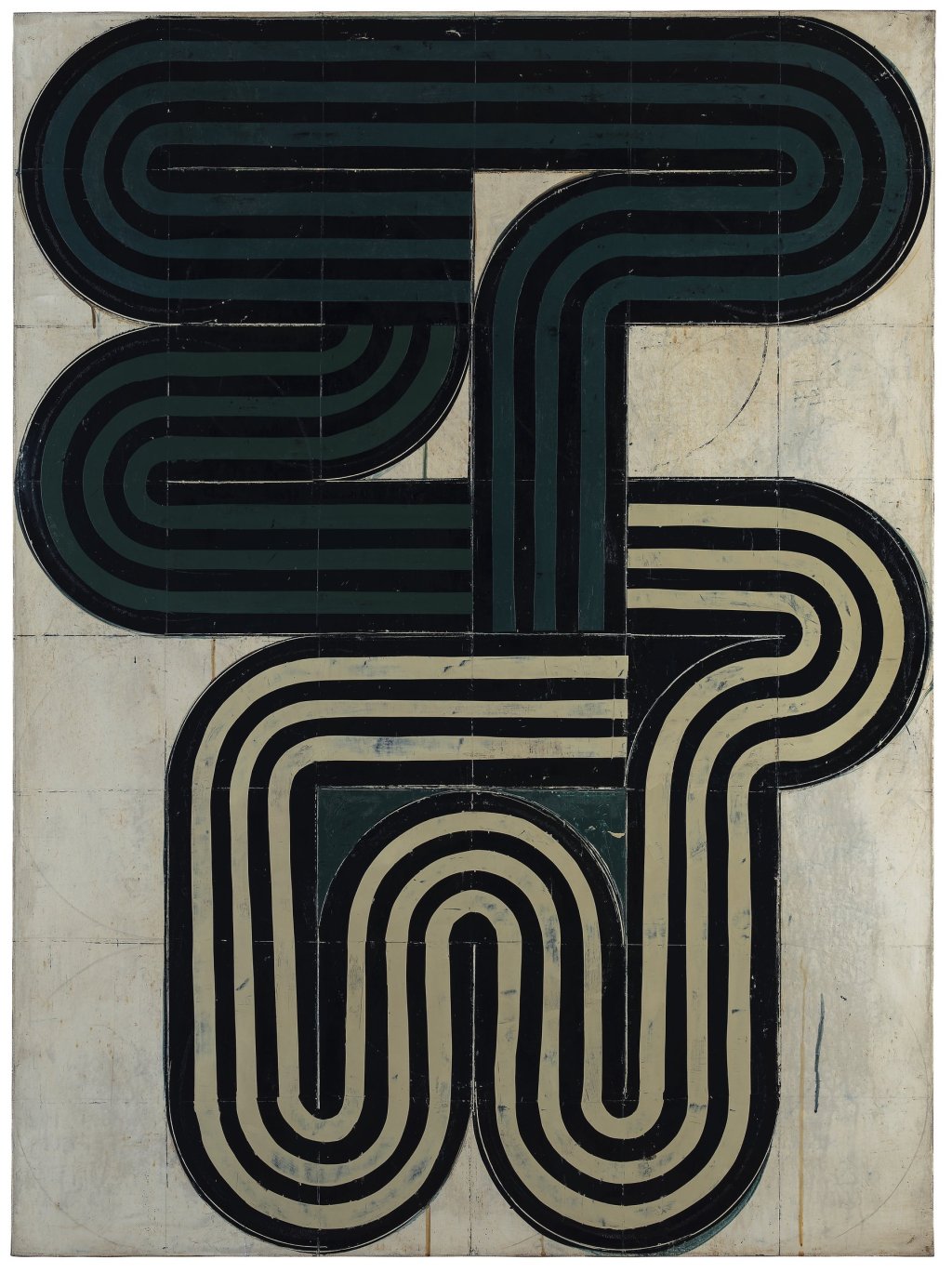
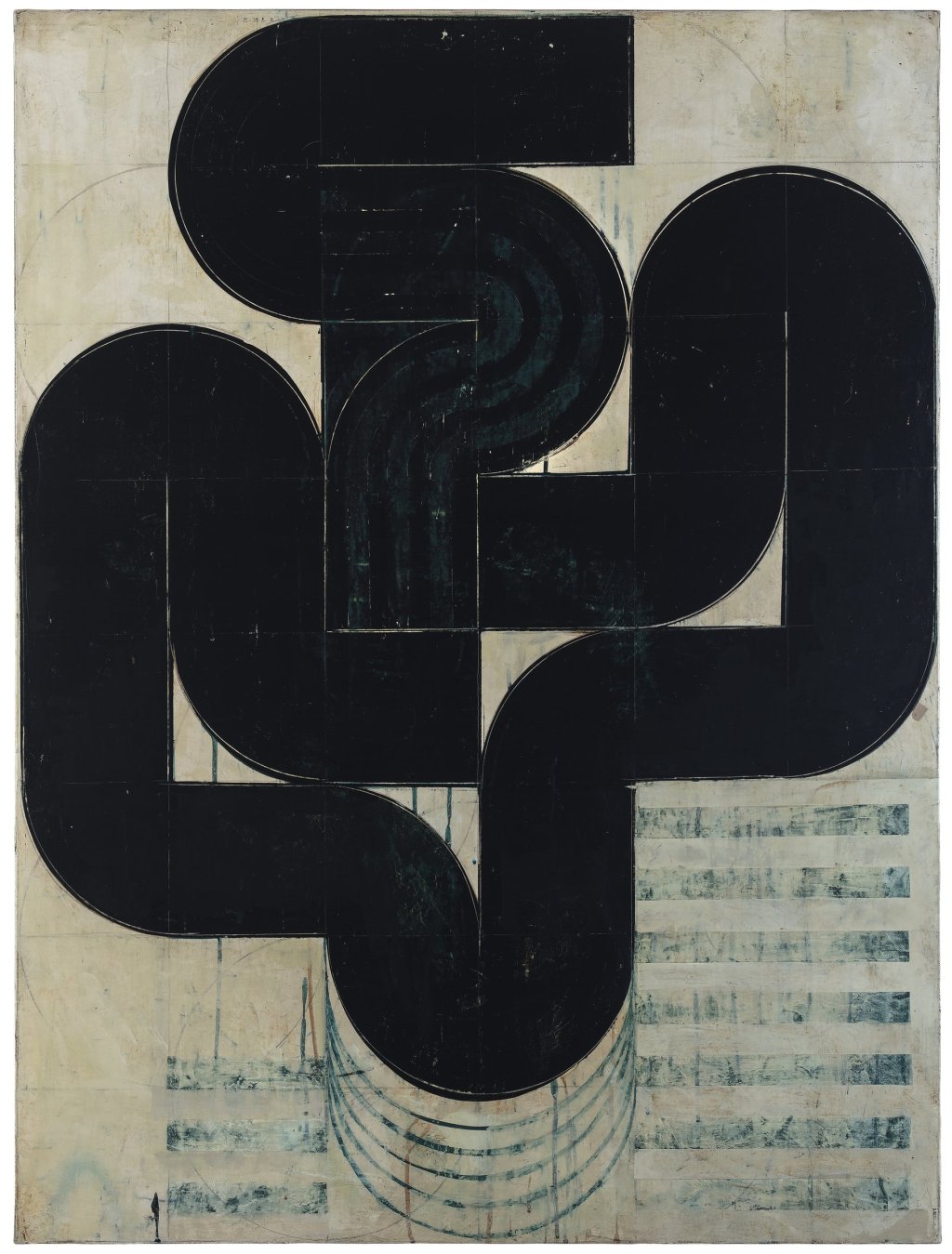
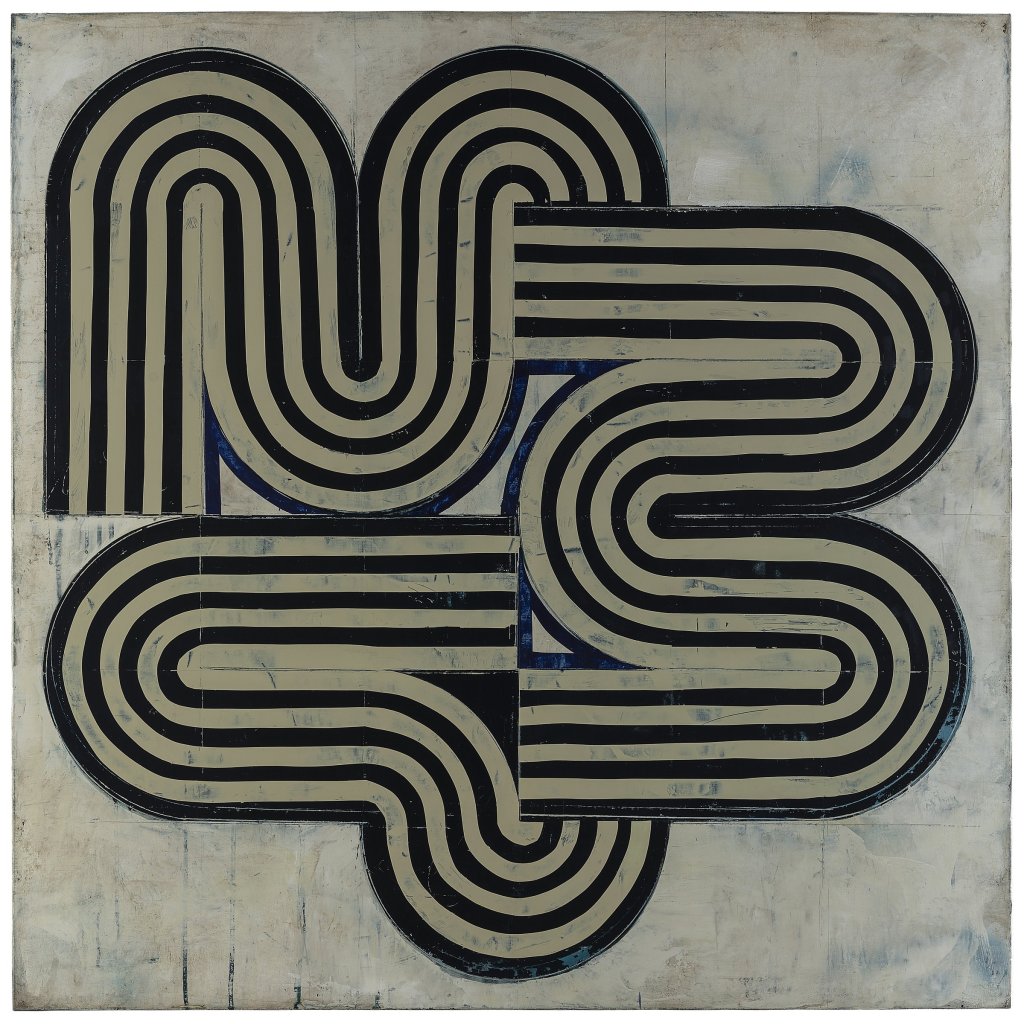
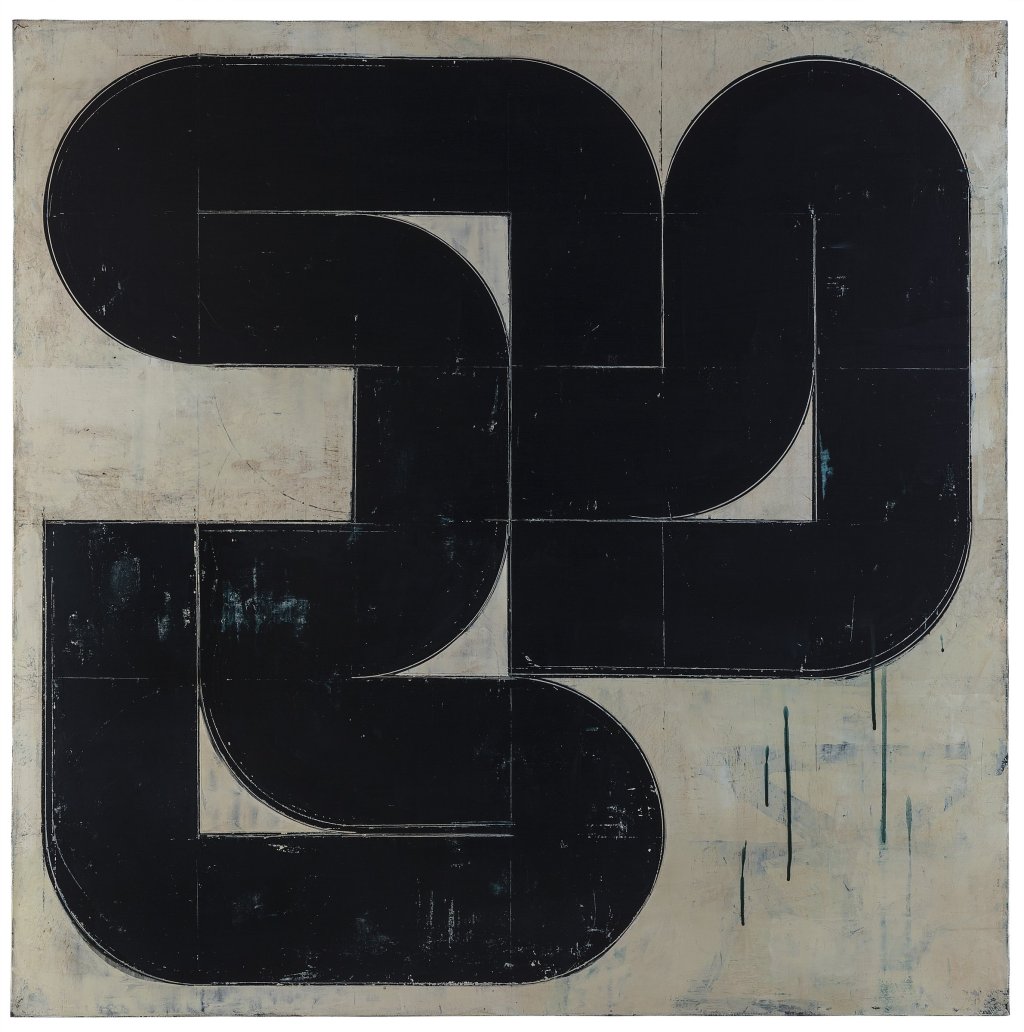
In that vein, Aleksandar Bezinović named this exhibition “Temporary Place,” presenting acrylics on canvas organized according to the same scale and principle (Logos). Through changes in the position of form and the constant movement of rhythm within the whole, Bezinović hints at the variability and temporariness of reality. Through his artistic process, Bezinović explores the medium of painting consistently using repetitiveness and the continuous interweaving of creation and destruction, aiming to create a recognizable visual whole that is more than just the sum of its elements. He begins a series of paintings by determining measures and a set of rules that lead him from the known to the unknown, using the circle as the basic unit – the starting point. Through repetition and variations on the same theme, forms are transformed into abstract stylistic figures characterized by clarity, absence of illusion, a reduced palette, and strong contrast and rhythm, thus confronting us with the complexity of something seemingly very simple, indirectly indicating that complete reality, as much as it may seem within reach, is actually constantly elusive.
Bezinović’s working process deliberately relies on simplicity and emphasized physical execution – he wants the observer to feel that they themselves could repeat the process and create such a painting without knowledge of painting techniques and the skill of creating illusions. The only illusion the artist potentially creates is that of the passage of time and corrosive changes on the surface of the painting.
“Temporary Place” actually introduces us, through the physical, into the space of the metaphysical, emphasizing the idea of the permanent temporariness of the creative place, action, and time that allow the working process to continue and renew itself. Ultimately, the individual results are products of a given moment and situation; from them, it is possible to discern the process that developed at a certain moment as a continuation of what preceded it. Each action and decision led to what we see as the current result, which could have been, and also could not have been, as it is, and as such will precede what is yet to come.
Nina Nemec

