2024
STRENGTH OF CONCEPT AND POWER OF EXECUTION
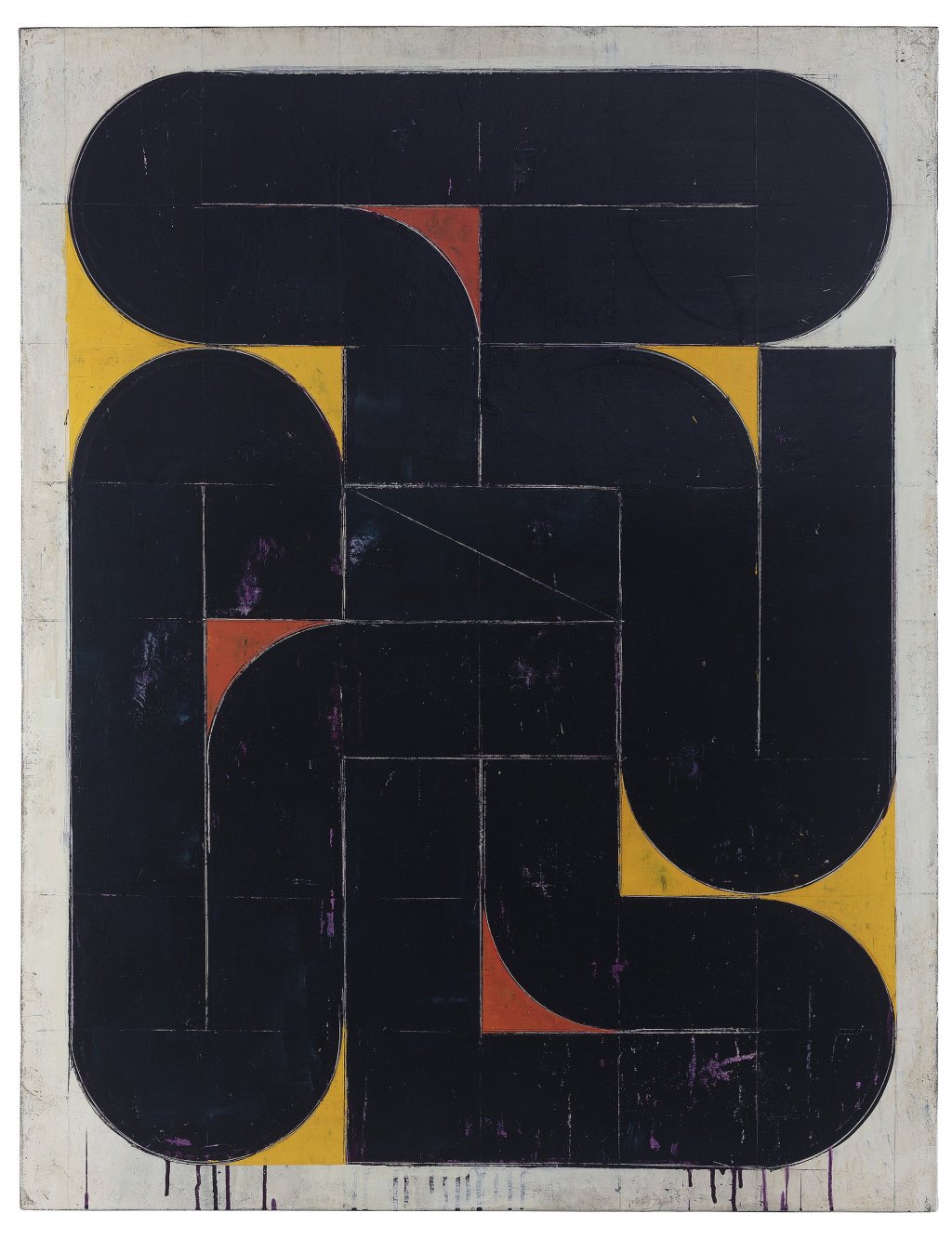
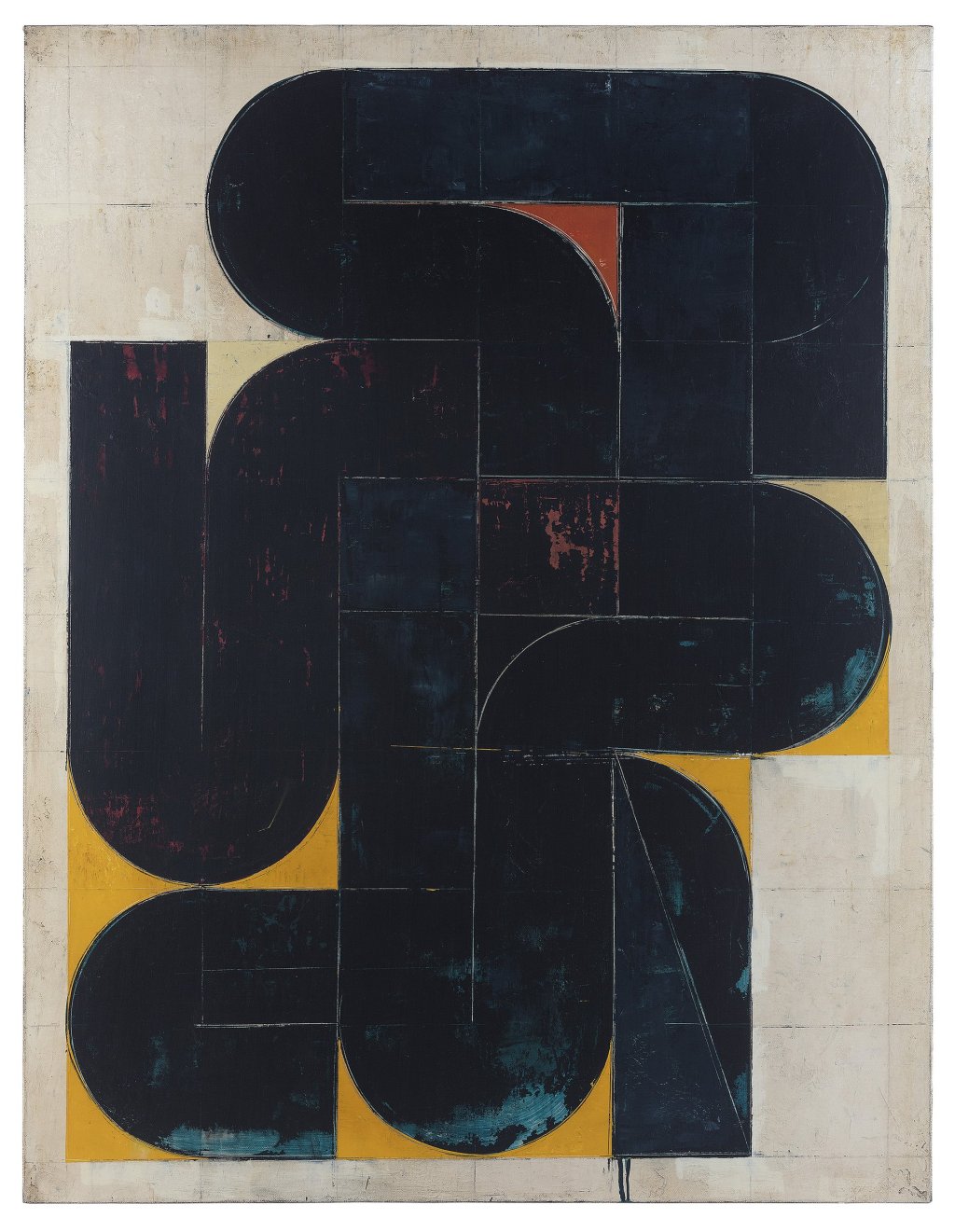
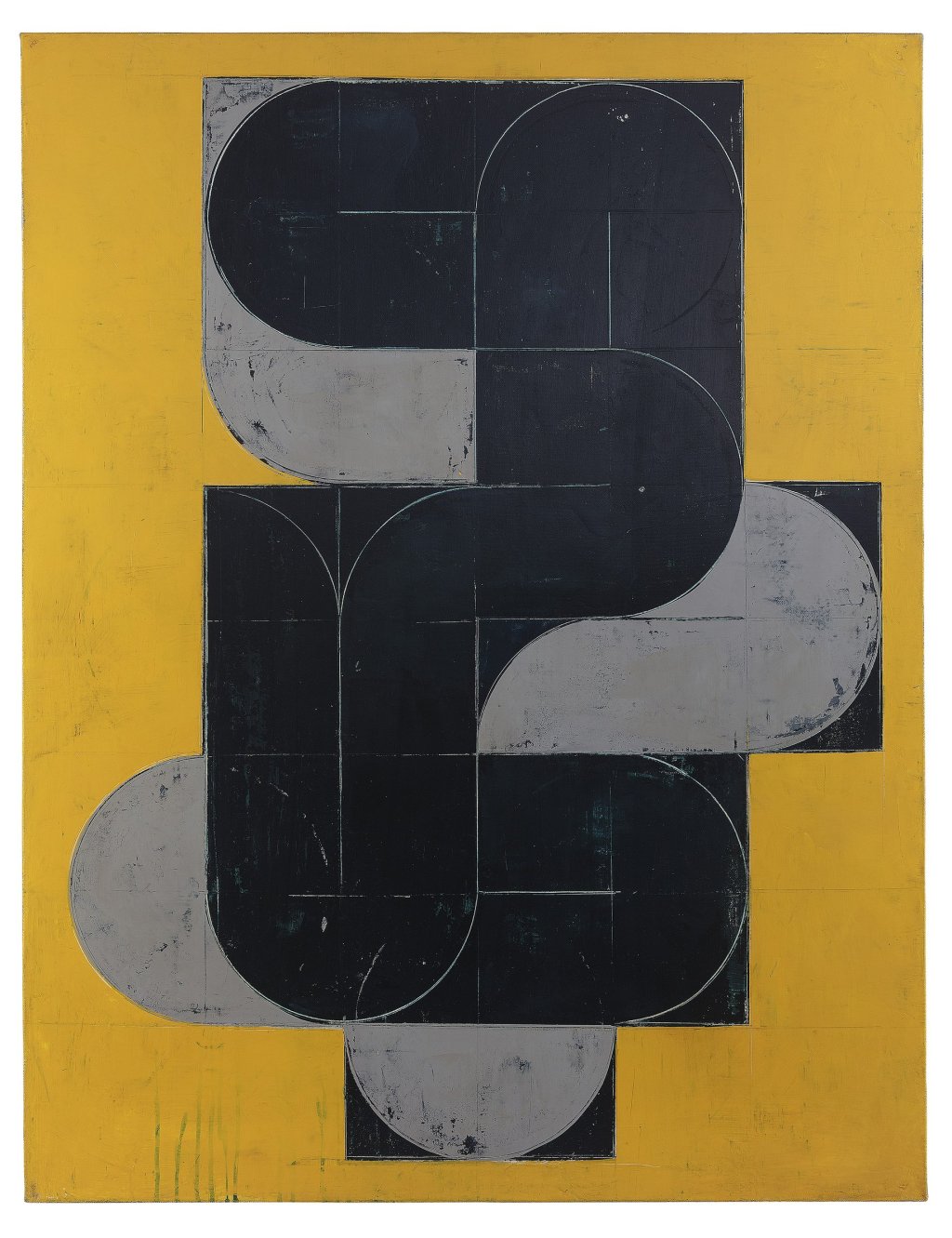
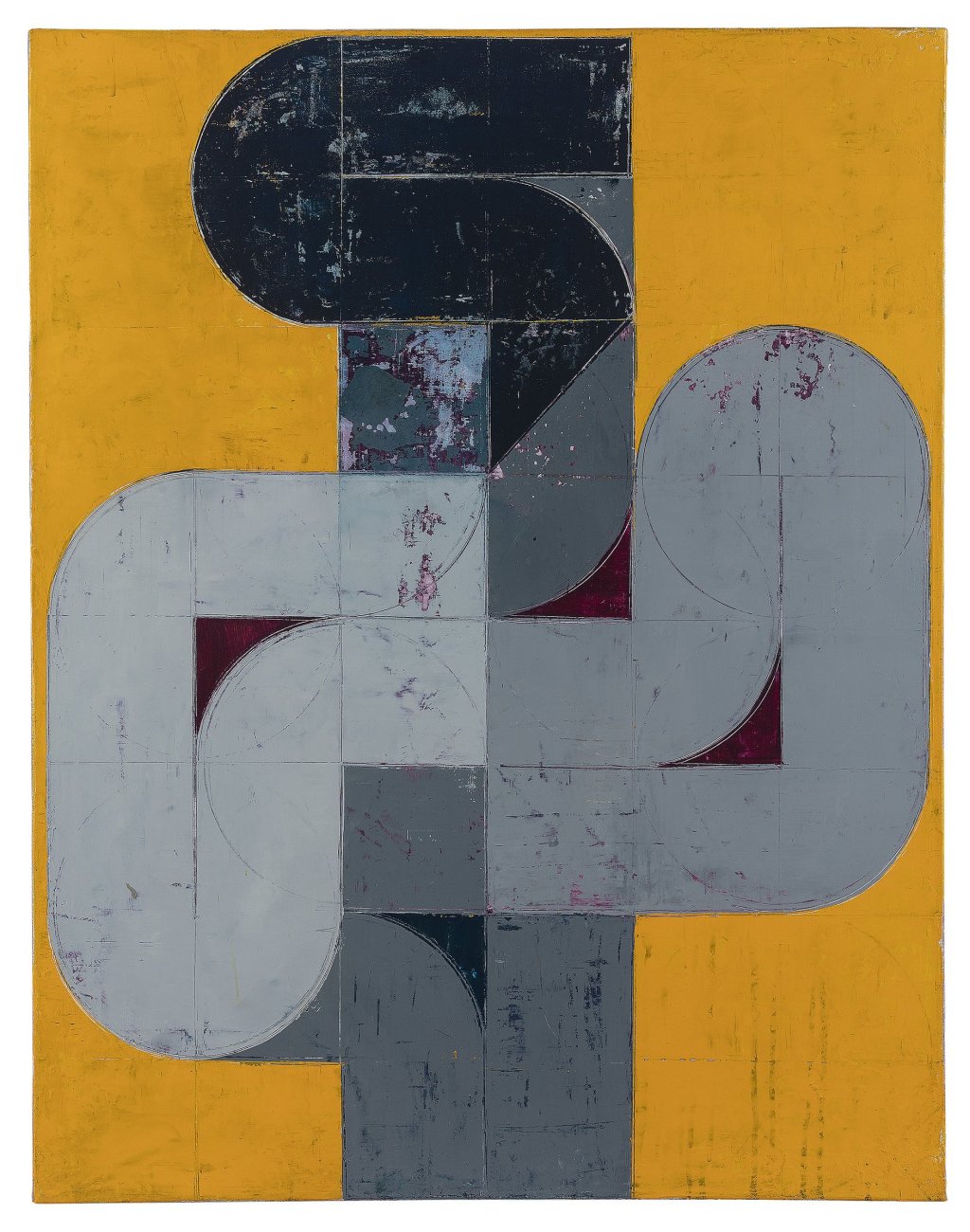
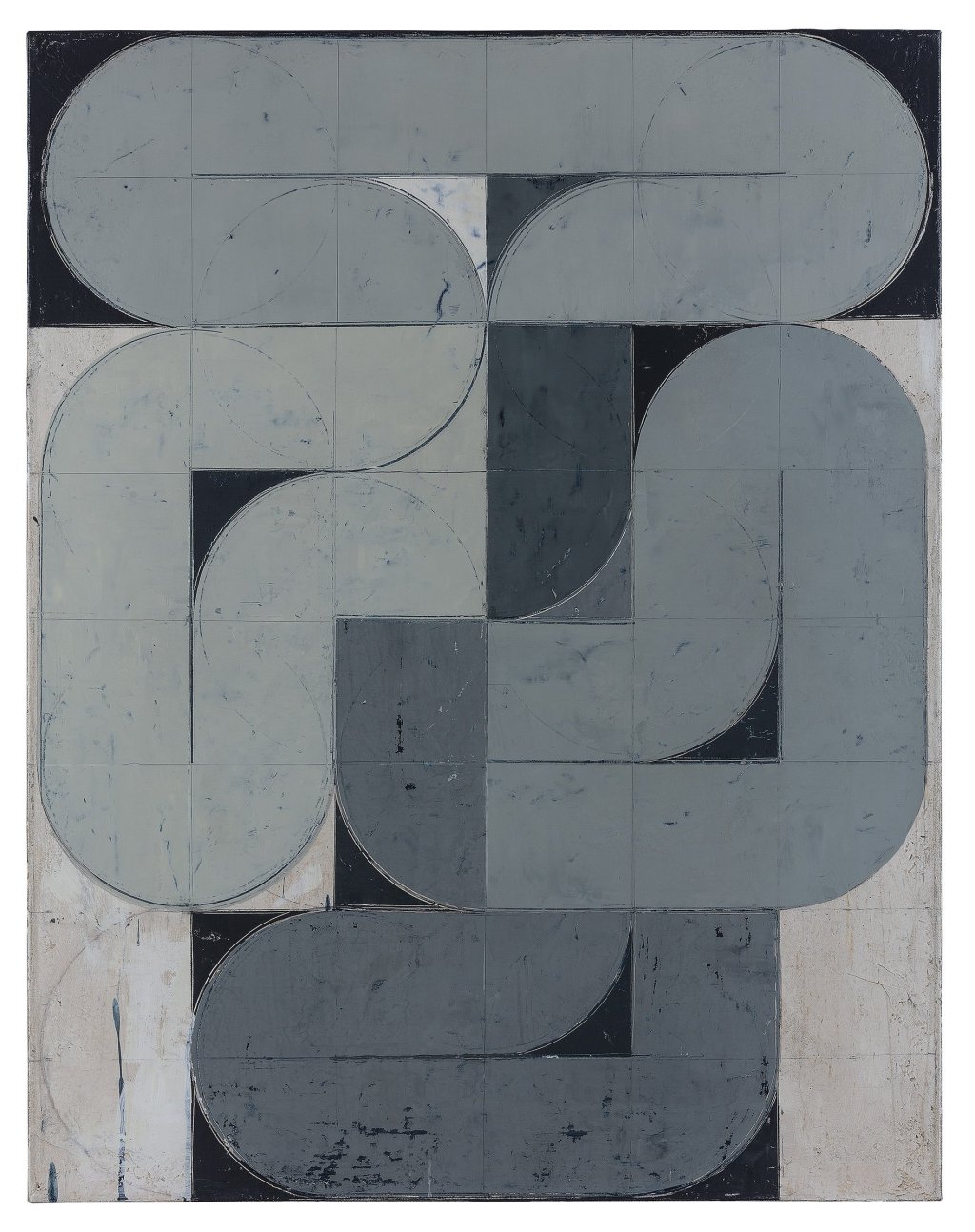
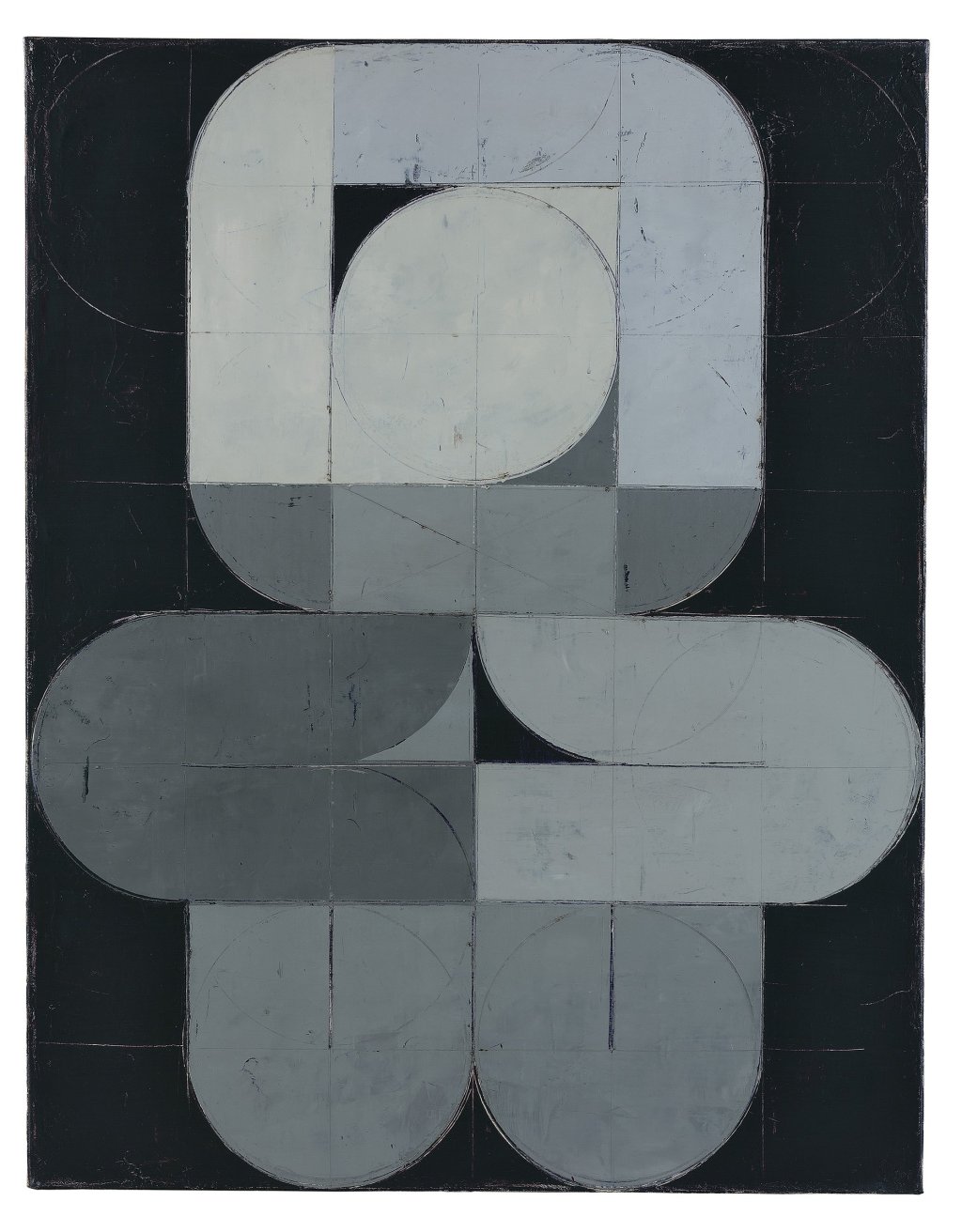
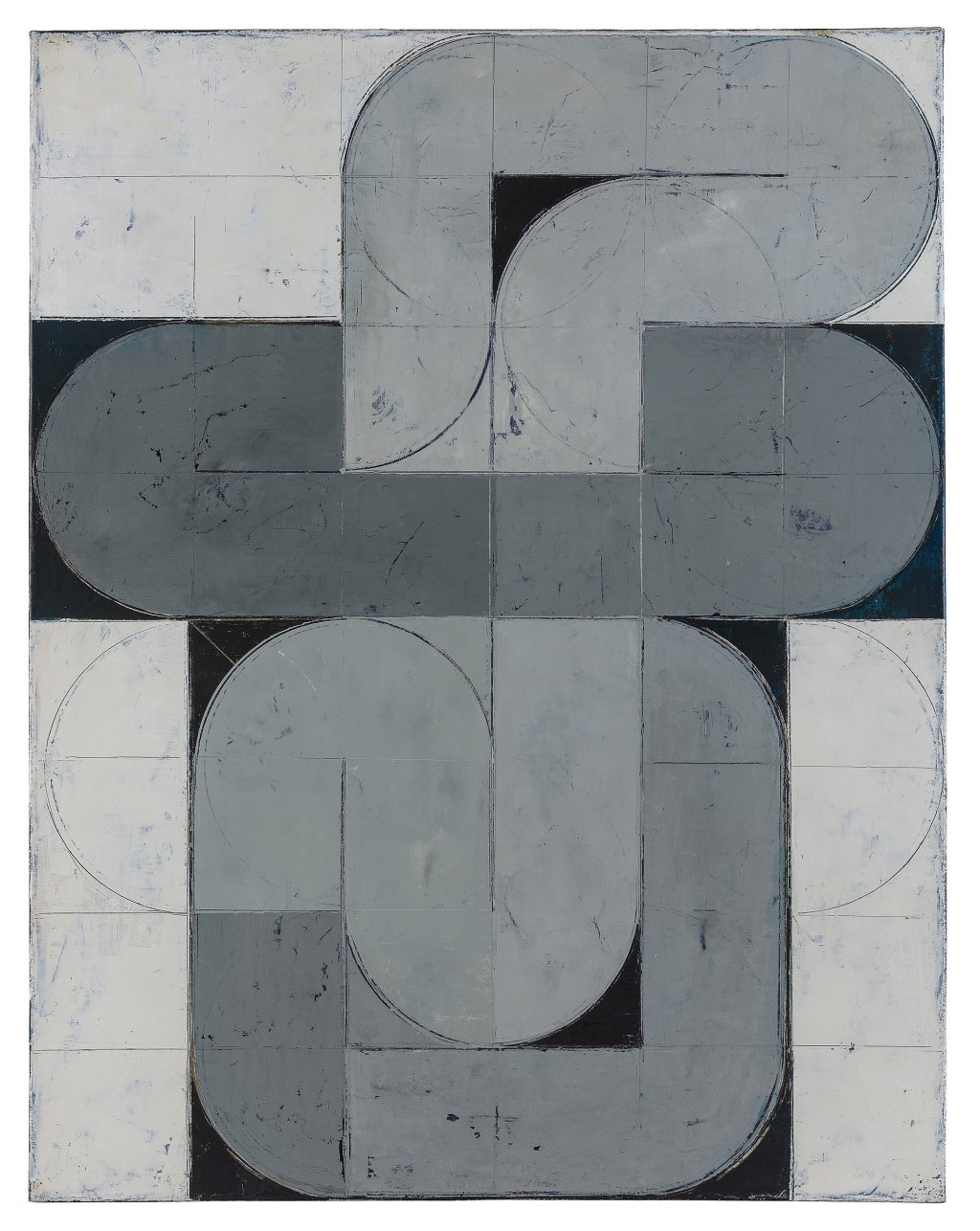
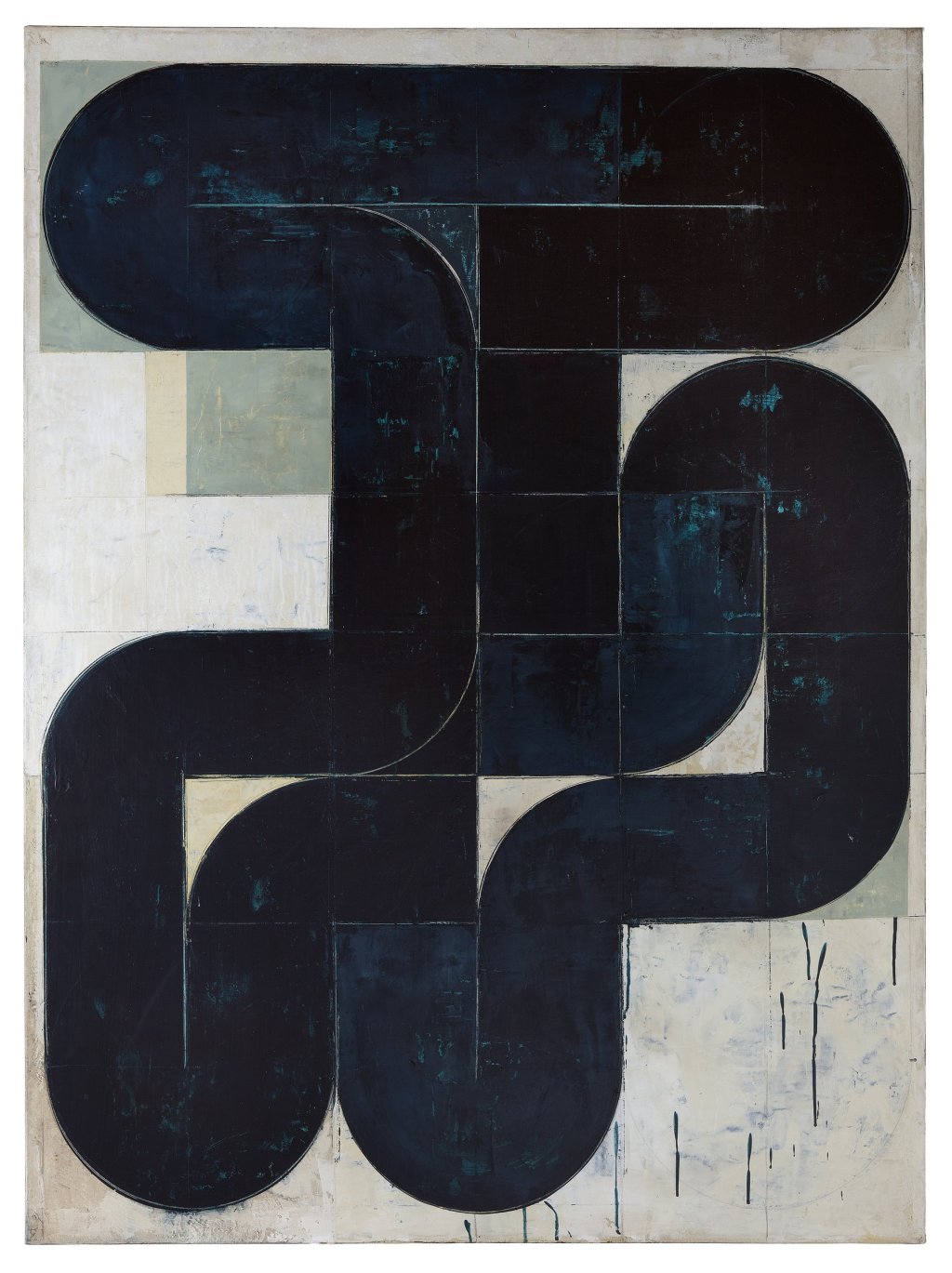
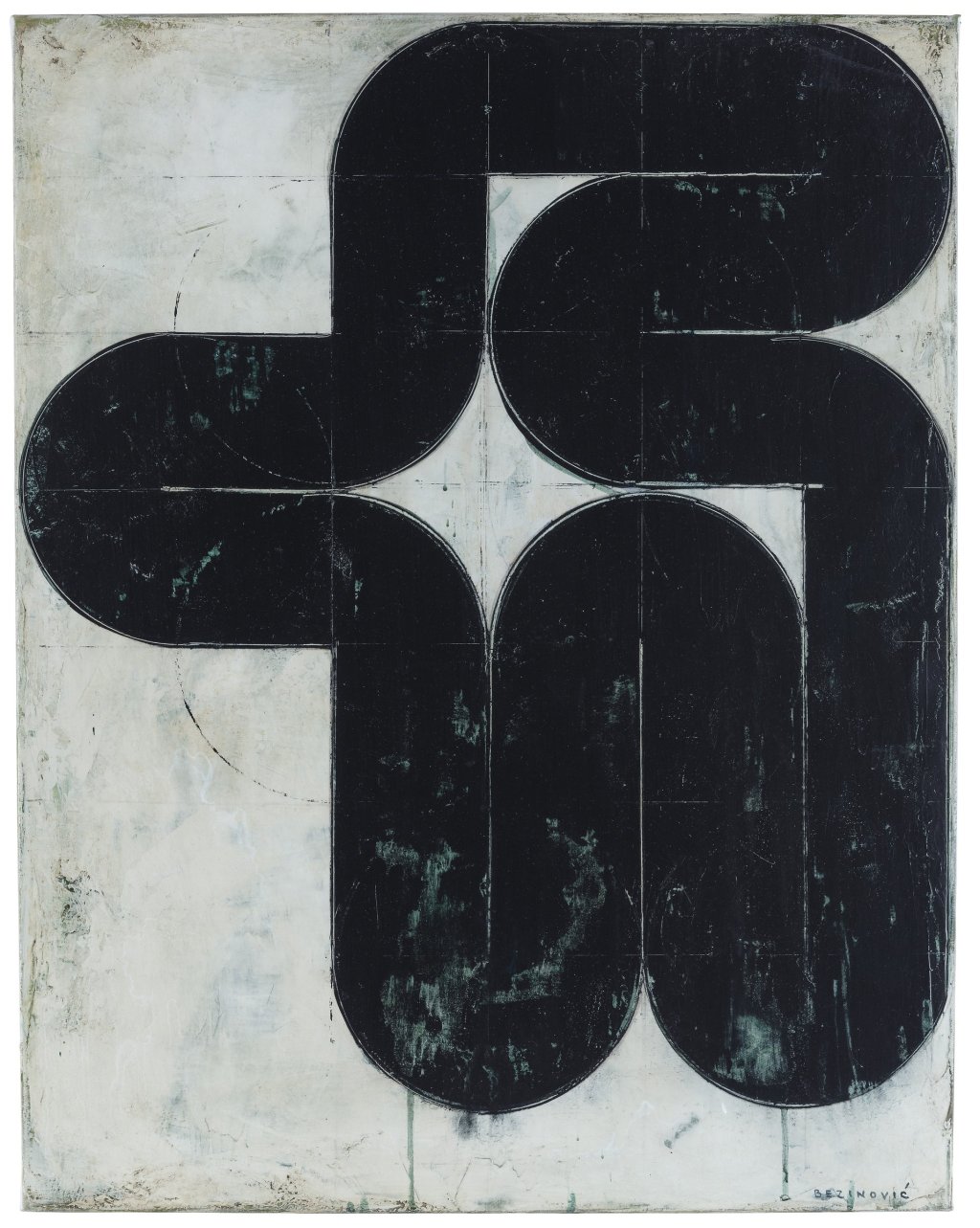
Walking through Aleksandar Bezinović’s exhibition is an intriguing experience. The exhibition space on Makarska’s Kačić Square has proven to be a fitting setting for the exhibition “Idols”. The canvases in the namesake series captivate with their subtle use of visual elements. The minimalism of form and the purity of impression do not allow for analysis; instead, they direct the viewer toward a spontaneous, immediate, and resolute reaction.
The presented works, viewed through an artistic paradigm, can be described as pieces whose minimalism and overall impression convey pure artistic expression. At the same time, the canvases function as a field for strictly artistic interplay between line, color, surface, and rhythm.
On the other hand, the artistic component of these masterfully executed canvases may remain outside our immediate interest. Immersed in the December aura of anticipation, we might accept Aleksandar Bezinović’s paintings as a mirror of a world we wish to see. The simplicity – not pejorative, but sublimated, masterful, and profound – speaks little yet says much, potentially guiding us toward a new relationship with the world. A dark, meandering, and subtly curved mass dominates the canvases, leaving little room for the color that peeks out from the edges of the paintings. The flatness of these works may reflect a creative idea, seemingly straightforwardly centered around the idol – a concept, image, object, or idea – around which the author builds this series. In executing his compositions, Bezinović does not delay his creative decisions. One might notice that as soon as he paints the center of the piece, he could stop. Yet here, he persists in his search and continues. The anticipation is strong, as is the question – What comes next? What lies beyond?
Bezinović’s idol becomes a method through which he explores, embracing the civilizational dimension of the concept “idol”, particularly as it relates to art. As an artistic fact, the idol stands at the origins of both traditional and modern art. Yet Bezinović conceptually deconstructs this notion, while visually sublimating it, creating its visual echo through dense rhythm, color, and brushstroke. Though the idol has accompanied man since its beginnings and is ever-present, it is not eternal. Idols of all kinds rise and fall. Bezinović gracefully sidesteps this transience, harnessing the strength of the concept and the power of execution. He creates with ease, measuring his painterly talent and mastery with the colossal inspiration offered by the idea of the idol. The creative act here feels like a clash of titans: the master of the brush confronting the boundlessly powerful idea hidden behind the concept of the “idol”.
The depiction of the idol from Aleksandar Bezinović’s brush is a visual celebration of both relative and objective truth – spontaneous, fresh, and immediate.
Josip Karamatić

